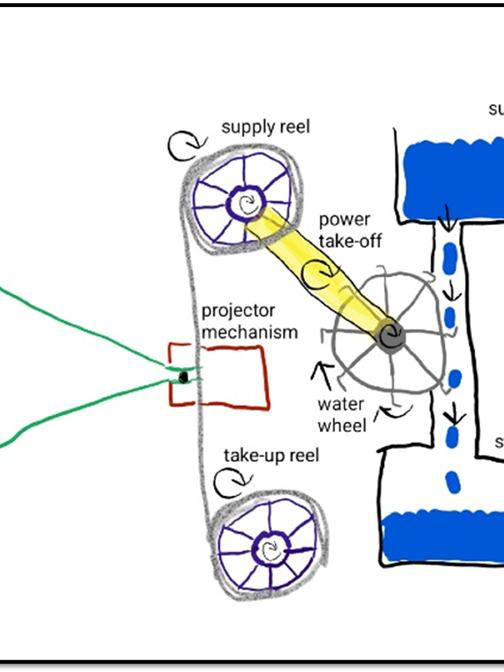
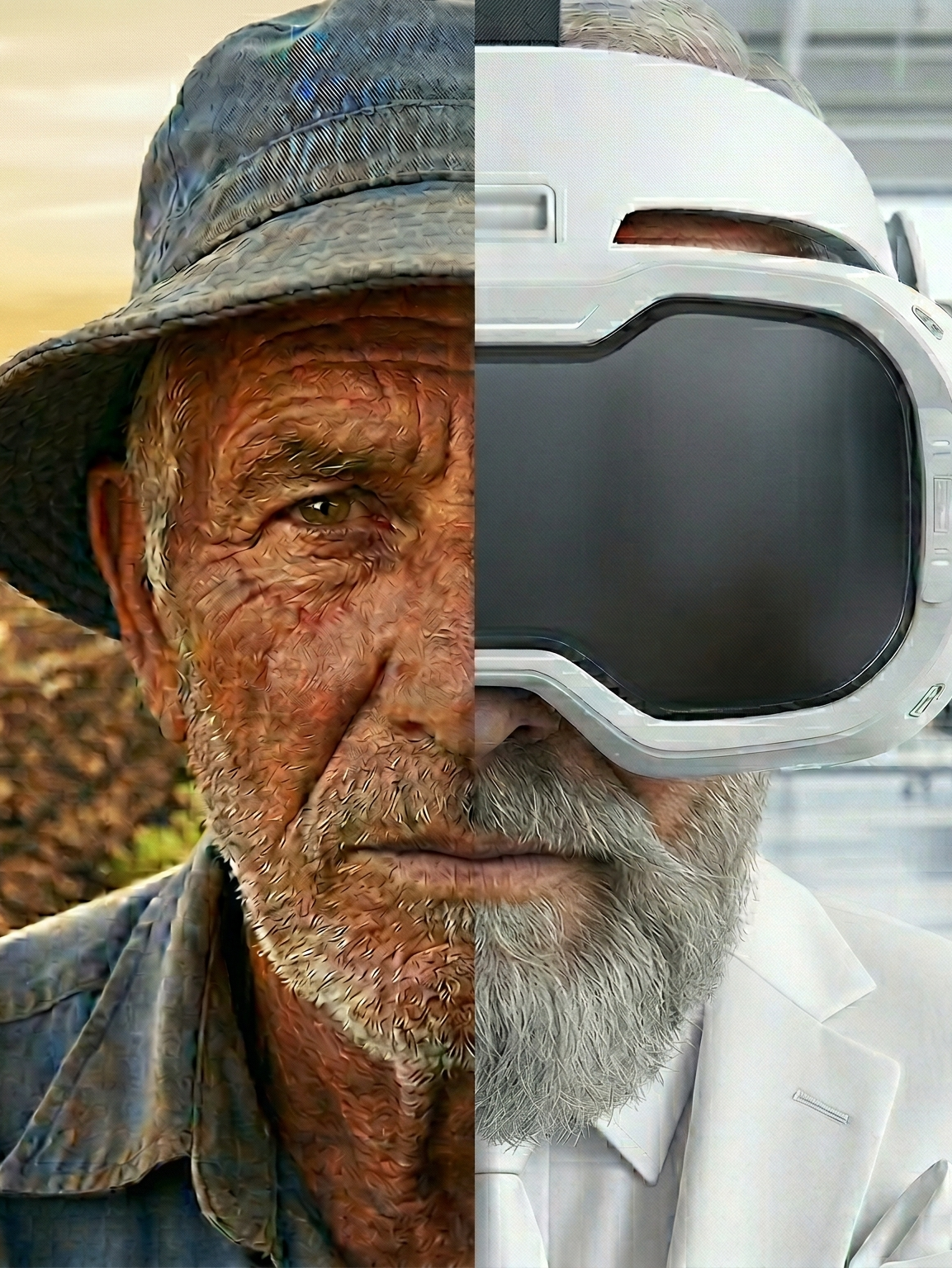
I think that we are in interesting times of change, regarding the way we see films in cinema theatres. What we knew may not be what future audiences will experience. I'll try to avoid the generic mourning over classic cinema and the disrespect for contemporary movies, because some of the recently premiered feature films are surpassing the good old dusty classics that my grandparents watched. Having said that, several filmmakers are still kicking and influencing the way theatres are being designed.
After the establishment of cinema as a form of art, around 1920 in the US, people could think of cinema as a way to create a totally alternative reality (for around 90 minutes). To create an alternative sphere, we need to let the mind forget that we are watching a story, a beam of light on a screen, fiction tales. We usually call it "suspension of disbelief". But how do we do it?
One way is to create a realistic plot that could happen in our world- a romance, a mafia story, a comedy with dogs and babies. If we can relate, we can forget. The editing should keep the boom-mic out of the frame; the acting should be minimal yet expressive. No aliens, demons or spaceships. These make up a big portion of Hollywood films.
Another way, much more sophisticated and one that creates new opportunities is technological realism. Some would take it to the areas of photorealism of CGI figures. But I'm talking about creating the ultimate theatre! A theatre that will be so realistic that we would feel inside the story. For example, if in the film we are in a restaurant and someone is lights up a cigarette behind us- the sound will come from a speaker behind us.
I guess that you are not impressed by this example I wrote. in the 2020s we have that for few decades already. The sound is surround, the frame rate is fixed at 24 per second, the aspect ratio is standard. Yet, it all started with a desire to maximize the experience. We needed to establish standards so we could deliver good experience again and again. So, what do we actually need for that?
Let's start with a big screen, so we can examine all the small details. Let's make the sound come from different directions around us. Turn off all the unnecessary lights, mute everything that can make a noise. No one talking, no intermission for snacks or bathroom breaks, no technical issues. What we got is the full experience of devotion to cinema. I think that this is what my generation imagines going to the theatres was in the 1970s or 80s, after most of the standards were established. Is it a fantasy or heaven on earth?
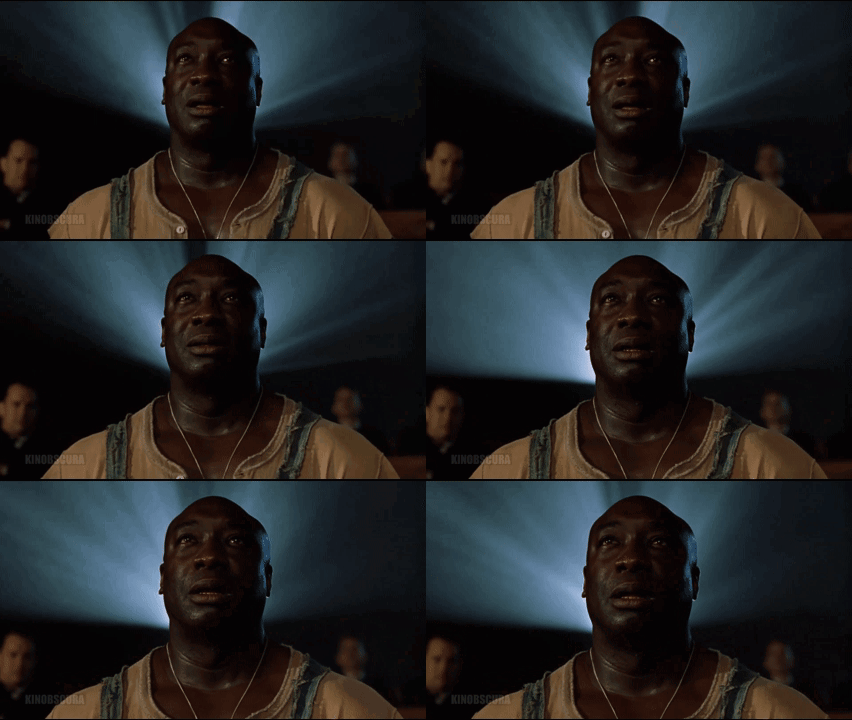

I once heard that during the Great Depression, theatres that served popcorn survived and those that didn't had to shut down. If this is true, I am sure that going to the film in the past was as loud as it is today. Excited viewers who talk or cheer while watching were always along film history, from Tarantino's testimony in his local childhood cinema to the stereotypes about Asian audiences. So maybe it is historically wrong to say that there was a time when the experience of film watching was perfect. But can we try to set rules to make it perfect?
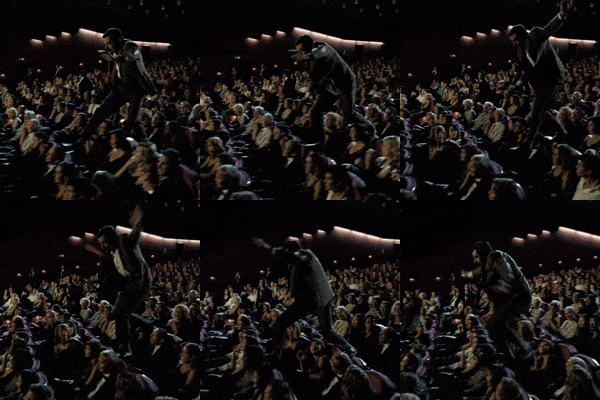
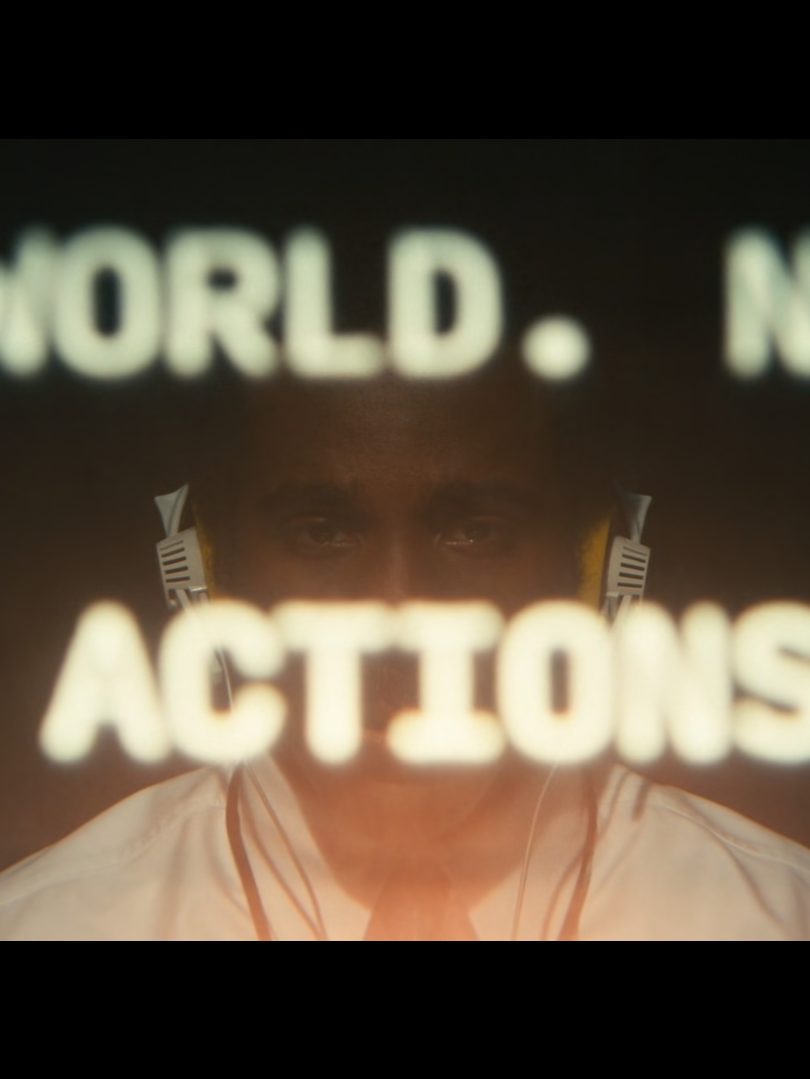
My speculation is that there is one person in particular that tried to do this- one of the biggest directors of all times, one of my favorites, Martin Scorsese. He is one of the most prolific directors, starting in the 1960s and releasing his last film on 2023. In his last two films he made a fuss. When The Irishman was released on Netflix, he asked the audience not to watch it on their phones. When Killers of the Flower Moon, a 200 minute-plus film, was released he demanded not to have intermission in screenings. I assume that in his mind there was this concept of the perfect experience- no interruptions of any kind.

Watching a film on mobile phone can be considered inconvenient, not giving the right attention by being distracted with notifications, battery power, insufficient amount of light, night light mode, and of course, a much smaller screen. On the other hand, it brings cinema everywhere, screen can be recorded for sharing and it is much easier to rewatch a scene again. From these pros and cons, Scorsese chose to recommend not to watch the film on smartphones. I think it is not necessarily because of technological advancements but because of traditional approach. If we are getting distracted too often, not surrounded by sound, and the screen is something like 100 times smaller than TV (or 12,500 times than theatre screen)- watching on a smartphone screen is just against the vision of the perfect experience.
Regarding the lack of intermission in Killers of the Flower Moon, it is nearly impossible not to have one. In an era of 90-minute films, a 200-minute film is unique. In my opinion, it is one of the many ways big directors can state "yes, y'all make films. But I! I make art". Not many directors get approval of making a lengthy film. If a film is a commodity, a 90-minute feature can earn like a 3-hour film, at less cost. The audience is used to these "hour and a half flix". We don't have to hold our bladder, bring 2 bottles of water, pack a sandwich. We have appointments that are longer than that. So, when Mr. Scorsese released this kind of lengthy film, we got to expect some backlash. A friend who worked at a small theatre once told me that clients were shouting and begging for an intermission.
The intermission can be considered as a break of the narrative, the experience and the "suspension of disbelief" altogether; we would check notifications, have a chat with our bodies, go to the restroom, buy a drink. When a movie is talking about capitalism, lack of trust among people, brutally eliminating the needs of others- how can we do all that we do in intermissions? It is just wrong. What is prioritized- our needs or the message? If we try to look at the perfect experience in that point of view, even our discomfort is part of the realism.
I'm worried about where we are heading from this moment on; do film directors have the last word regarding the quality of the theatres? Are they going to refuse to show their creation if the theatre isn't good enough? What other demands will they have soon?
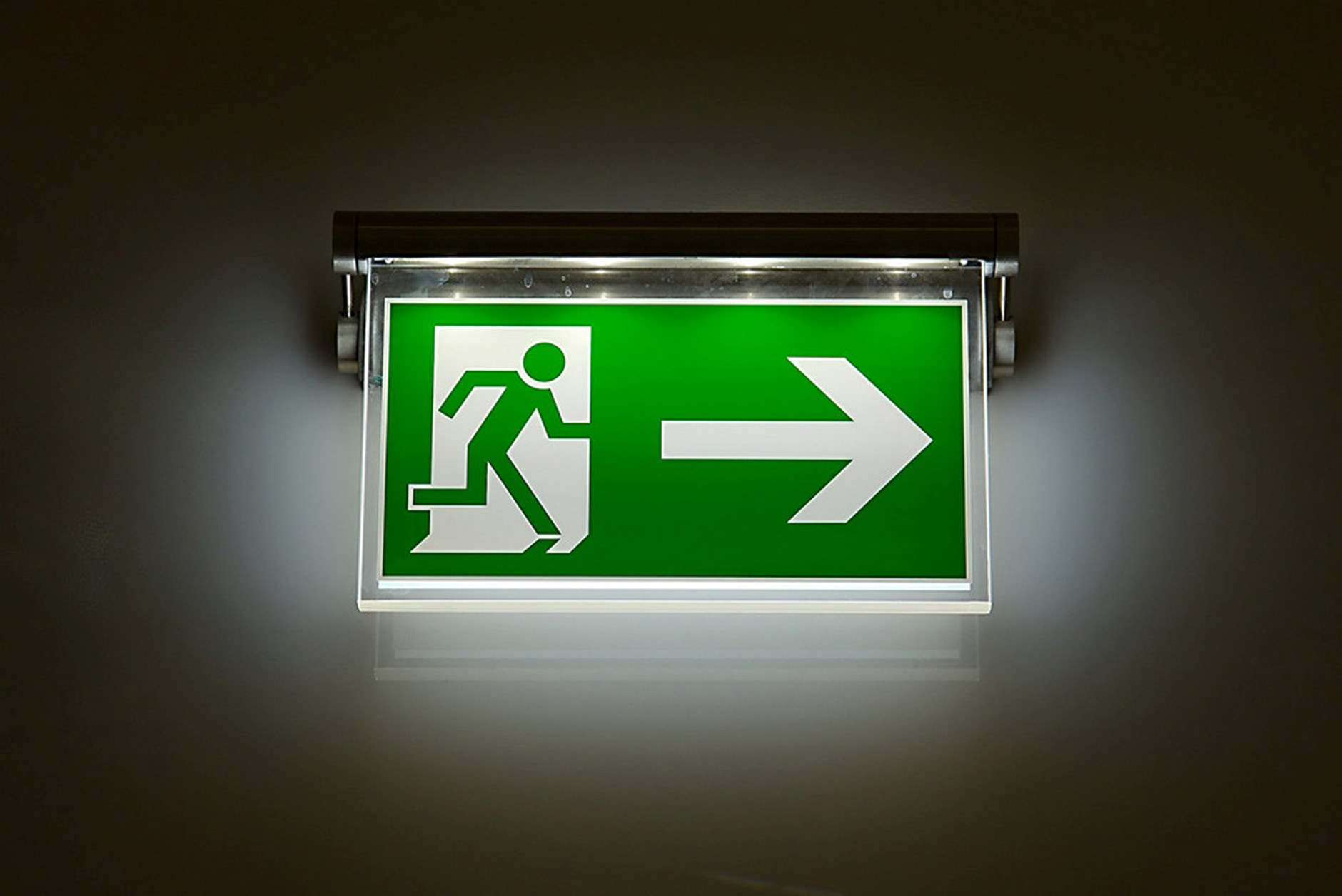
In my area of living I have several multiplexes. In all of them I can see the exit sign under the screen itself, shining upward. Some even have two signs. In my parents' house, under the screen there is a cabinet. My beloved mother insists of putting ceramic objects on it, to hide the cables, but some of these statues hide the subtitles on the screen. The revolution of the perfect experience might not happen in a day. It may divide the whole world of media into two parts- those who provide a mediocre experience, with noises, bad sound, unsynchronized translation, and those who provide a much better experience, maybe even, the perfect one.