In his book, Denis McQuail presents 5 roles of mass media. The purposes of mass media, according to McQuail, are to entertain, to report new information to the public, to interpret the news for them, to transmit traditions (rituals), and to recruit audiences for various efforts. Similarly, every industry has a purpose, a goal, a destiny - modern agriculture wants to provide food for the entire world's population while simultaneously striving for this food to be of excellent quality; for most of history, humans starved, therefore this vision was relevant. The transportation sectors move people to the ends of the earth; for most of history, long-distance movement was a complicated and dangerous matter, a situation that gave these sectors a good reason to develop. And academia provides education for quality employment and expands the amount of knowledge humanity holds. In this article, I wish to ask what the vision of the media world is today. By the concept of vision, I mean a goal that is not currently achieved, but with enough effort, it can be accomplished.
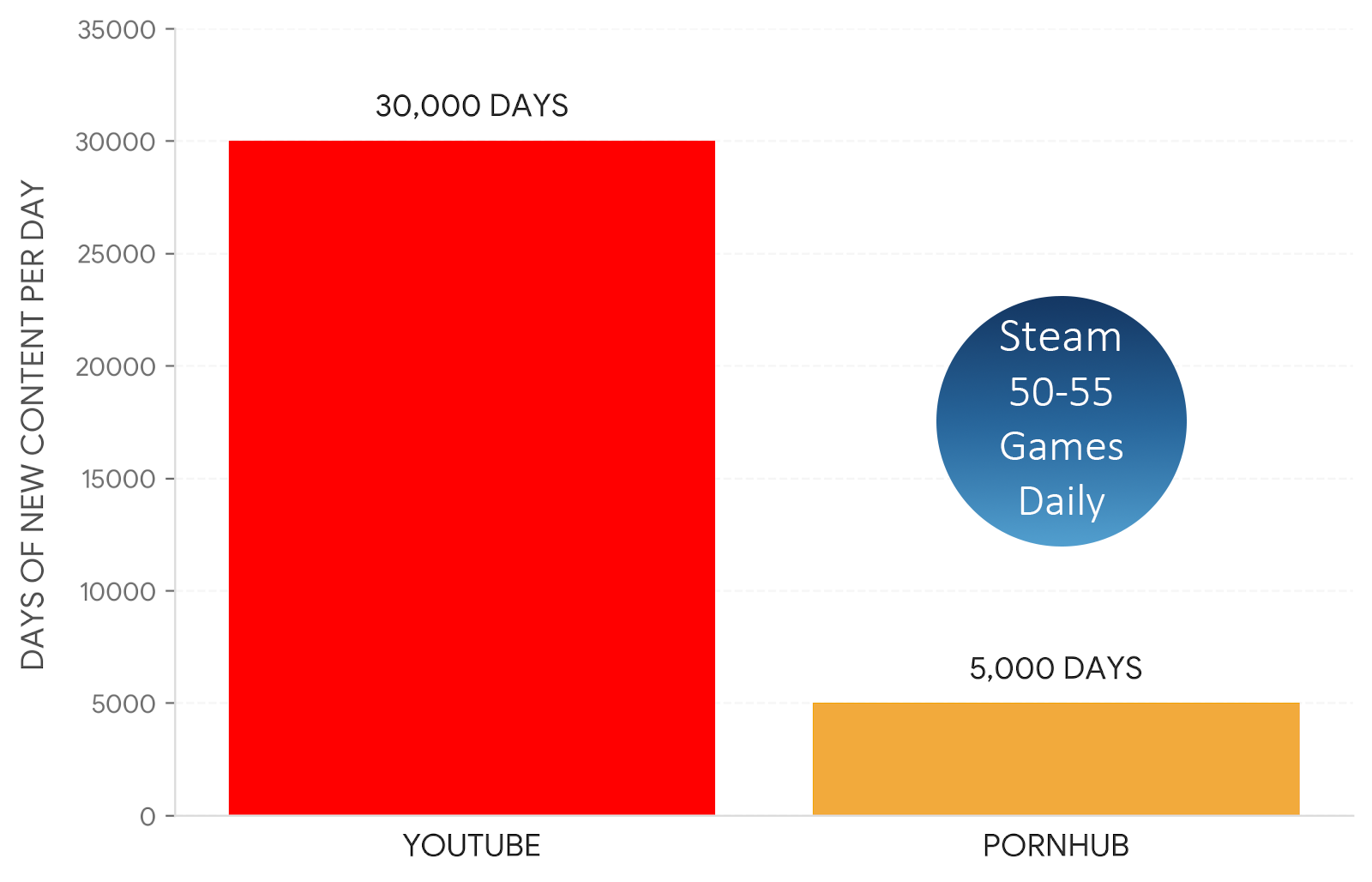
Generally, the media world goes beyond the boundaries of mass communication in that its various forms (films, interactive experiences, various devices combining pleasure, etc.) are not necessarily intended for wide distribution, at least not simultaneously, and can be personalized. If a single customer is willing to pay enough, a creator in the media world can provide them with a media item that meets their needs and theirs alone. Besides this, media products are also a variety of art forms. Therefore, a simple comparison between the visions of the "advanced" media world versus a widely distributed newspaper is irrelevant. And yet, this is a good starting point; first, the primary goal McQuail lists: entertainment. If the vision of the media world was to successfully entertain a person from the day of their birth until the day of their death at an old age, then this has already been achieved - one estimate suggests that about half a million films have been produced since the beginning of cinema. If we take into account the common length of a film (90 minutes), a person who started watching the first film at birth would finish watching this selection of films at age 85. Today, more films are produced worldwide each year than can be watched in that same period (Hollywood, Bollywood, and Nollywood - about 2,000 films each, equating to 375 consecutive days). This achievement of entertainment that successfully encompasses the day, the year, or an entire lifetime can also be counted in music (an "Only Bob Dylan" radio station can play his music on repeat all day long without playing the same song twice, since he has 55-70 hours of music), content sites (every 24 hours, viewing materials totaling about 30,000 days are uploaded to YouTube; on Pornhub - 5,000 days), and gaming sites (about 50 new games every day on the Steam platform). If the goal of media was only entertainment - then this vision has already been achieved, and a new vision must be considered.
I would like to present here another way to look at the visions of the media world - the "Further, Other and Completely New" model. This model advances along three axes - the " Further " axis, in which an entity (person/studio/nation) seeks to create more media of the same type and content; the "Other" axis, in which the entity seeks to create media of the same type but with different content; and the "New" axis, in which the entity seeks to create completely different media that advances the industry towards new media domains.
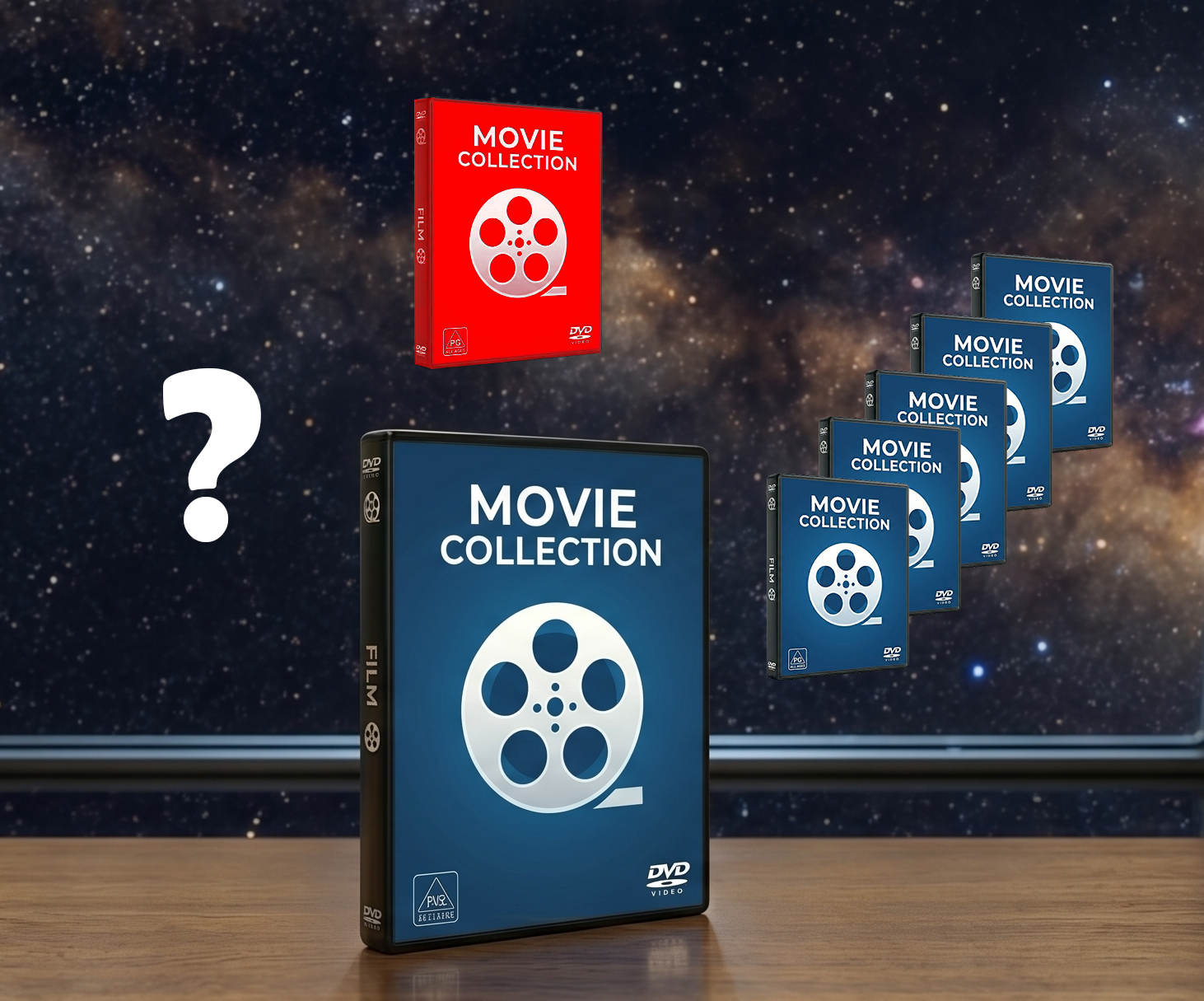
The easiest way to demonstrate the model is through today's leading cinematic films - superheroes in franchises. A creator or studio that chooses to produce more content about an existing superhero (e.g., Spider-Man/Superman) essentially increases the amount of existing knowledge about this character and acts according to the rules of the genre, or opposes them, but plays within a playground defined by clear guidelines - the character's origin story and the themes of the world the character lives in. They also play by the industry's rules - a film length of about an hour and a half, the cinematic means of expression, copyright laws, and labor laws. Producing another such film, however successful, is choosing the "Further" option in the model.
Every once in a while, a new superhero pops up, with a different backstory and different themes. Producing content about this superhero chooses to create a fresh franchise that is not bound to the origin story of other characters but is still completely bound to the rules of the industry and the genre. This is not an innovative idea that disrupts the superhero market, but rather another product in the same market. My grandfather used to say about this, "Dasselbe in Grün" - the same thing, just in green. Here is an abstract proposal of the superhero market in recent decades - the enemy in comics is no longer a Nazi, but a Communist, Asian, or Islamist, yet the hero, whatever the color of their suit, must defeat them and sell dolls in kids' meals around the world. This is the "Other" option in the model.
The final and most fascinating option of all is the "Completely New", and it is the one that offers true change. If there is a vision, it is found here! The very invention of the superhero genre is the innovation. The transition from unbranded toys depicting animals or cowboys that have no defined story or marketing rights is exactly the innovation the genre offered about 80 years ago. In the same way, the appearance of Barbie as a doll with specific looks and traits is an innovation in the way girls all over the world play. Since then, children worldwide scream at their mothers to buy them the toy of the specific brand. But make no mistake - only Superman and Barbie of the 1940s are the "New"; Bratz and Spider-Man are an expression of the "Other", and the latest media of these four franchises is the "Further".
Something that still quite surprises me is that many of my friends approaching their 30s still attach importance and pay respect to brands intended for us as children. The Harry Potter franchise hasn't offered a new idea since the publication of the first book. It's still the same struggle around the themes of racism and orphanhood. Even the additions to the franchise like the movies, video games, spin-off books, toys, and even the new TV series. They didn't offer a realization of the "Other" option through the spin-off film series about the character Newt Scamander. For me, any additional Harry Potter content falls into the "Further" category. The interest behind distributing additional merchandise of the franchise is purely commercial. As such, I no longer attribute significant cultural importance to it.
One creator, for example, who actually operated on the "Other" axis is James Cameron. Throughout his many years of creation, he established several significant franchises that received sequels or were such themselves - prior to Cameron's film "The Terminator", thoughts on human-machine relations were based on films like "Blade Runner" and "Modern Times" and books like those of Isaac Asimov, and there is a connection between the terror these contents present and Cameron's films in this franchise. The "Avatar" franchise also connects with post-colonial thought and with films like "Lawrence of Arabia", "Dances with Wolves", and "Tarzan".
Innovation in media is rare, but it manifests in a variety of possibilities - methods of production, distribution, technology, content, inventing a genre. And here we return to the matter of vision. Because the aspiration to make more money by creating more content is not a vision, on an industrial level, but a goal or aspiration of an entity within the industry. George Lucas, when he conceived the Star Wars franchise, acted on the "Other" axis. The first film from 1977 was marketed as a Western in space, and as such, it is simply a window to a new franchise based on the rules of the Western genre. Its innovation came from a different direction entirely. Despite offers to raise his salary, Lucas chose specifically to receive the full merchandise rights of the film, something that was revolutionary for its time and completely changed the film industry - in this, Lucas also acted according to the "New" axis. Under his decision to continue creating the franchise's films, he also acted on the "Further" axis. Although some of Lucas's aspirations in this years-long process were financial, these decisions led to far-reaching changes regarding the workplaces of many other people, not just his own pockets.
Thus far we have only been in the relations of entertainment and money. The personal aspiration to create is not reprehensible, but as long as it only produces a new film for an old franchise, or a new franchise that imitates others, there is no innovation here that can be called a vision. The second goal McQuail proposes for mass media is also not a future vision for the media industry - disseminating information.
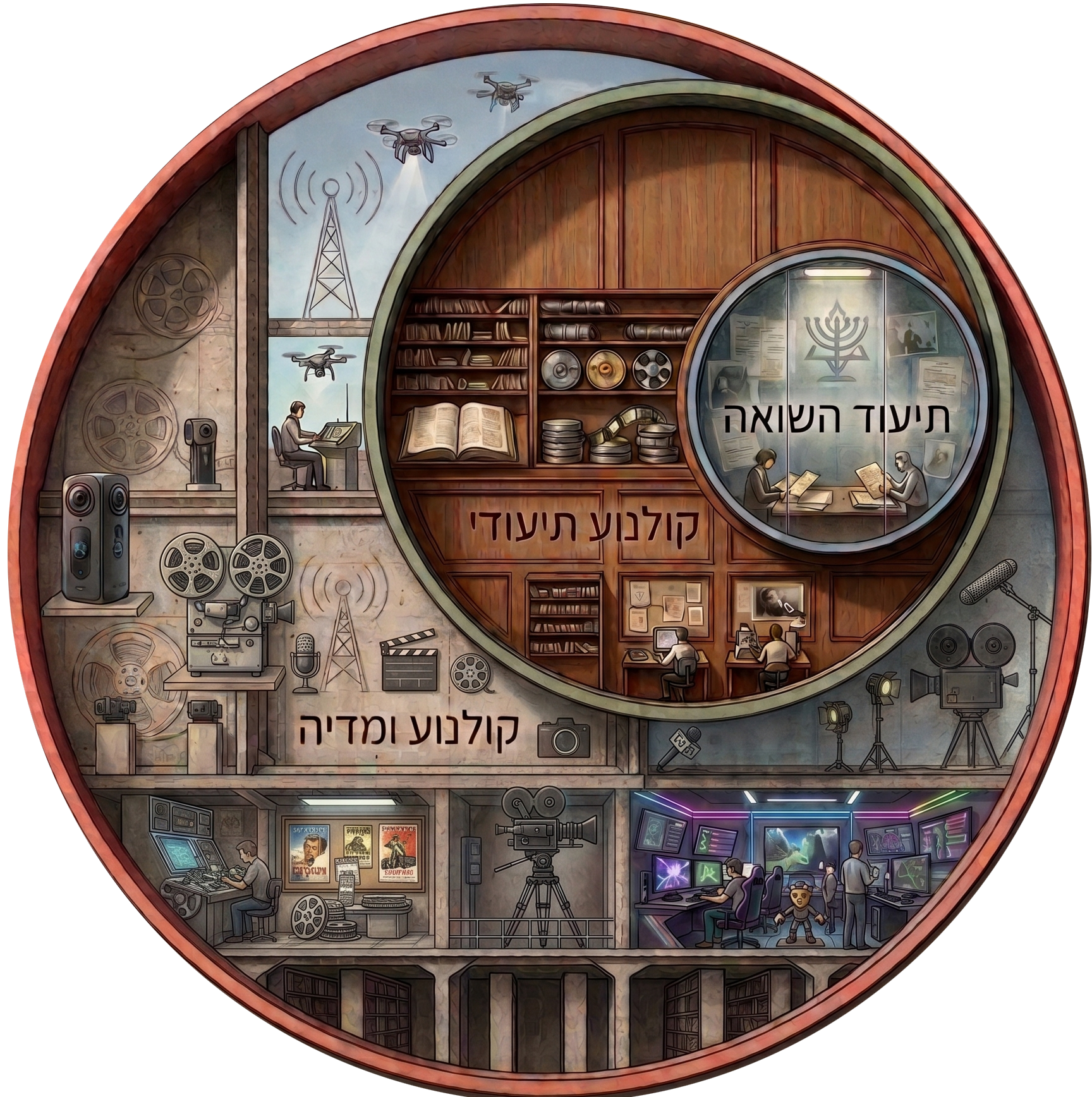
If there is in our world, in the past, present, and future, a finite number of perspectives that need to be presented, then a possible vision would suggest that we must represent them all. Meaning, we must create a vast number of contents that will tell about the lives and deeds of all people who lived or could live. Therefore, we have films like "Steve Jobs" and "Jobs", "The Social Network", "Milk", and "Lawrence of Arabia". Under this vision, the media is nothing more than a multitude of light beams that must present at least once the entirety of people's lives. By the way, according to this proposal, there is no real importance to fictional stories or even to the number of films dealing with the same person - after all, why is the founder of Apple allowed to get two films while Ehud Ben-Gera doesn't have a single one? This vision, according to which we must utilize our full capacity to record and produce content, fits very specific cases like collecting testimonies of the Holocaust and October 7 in archives. Formulating a vision like "We are interested in documenting everyone who experienced these events" is possible, even if the execution is very difficult. But for cinema, it is simply pointless, because cinema is also art. The vision could come to be expressed in a sub-genre of documentary cinema, but cinema and media as a whole, will not direct their resources there.
History and the Future
From this point, of complete detachment from McQuail and mass communication, I will suggest looking specifically at the near and slightly more distant past. One of the first visions of early cinema was to connect audio to the moving picture and thereby create an art in which characters can be heard speaking. This vision drove inventors and technicians to create something that did not yet exist. This vision also had implications - now a person could be filmed and their words preserved for a later presentation; films could be shown where the music matches dance movements. The visions that came after, and probably with a lot of appetite due to the success of soundtrack development, were color, effects, digitization, and the ability to control the film while watching it (pause, rewind, changing subtitles).
These were significant visions, which justified the investment of funds and other resources to solve problems. Beyond technological aspirations, aspirations to create film distribution mechanisms worldwide, animal right on sets, fair wages for workers, and copyright registration were also visions that took shape and were significant.
In more recent history, it seems that the topic of effects and reducing filming days became the core of cinematic visions- 3D models, moving from on-set pyrotechnics to computerized effects, generating entire shots in computers... One possible vision is a film made by only one person. Let's assume that this creator is willing to let go of their ego and that there will be no departments under them to manage, and that only their name will appear in the credits. There is still a high chance that this person will need a good lawyer to explain the ownership over all the voices of the "actors" who are not listed on the credits. Another vision, advancing these days, is a film without a human touch. Without a script written by a human, without editing, without instructions. It sounds illogical that a film created by artificial intelligence could exist without a single prompt given by a human to produce it. Let's assume this is possible, these two visions will offer true change in the entire industry- from copyrights to production companies, through film schools. There will be no point in camera equipment rental companies, nor in sophisticated editing software. The need for the expertise of many people will go down the drain.
Proposals for Visions
From here we can wander to a general approach of "Media as...". For example, if we research enough, we might discover that there are contents that watching them improves our health, and media could constitute a medicine for various health problems. Instead of consuming cough medicine, we would be asked to watch a certain film for a few hours. Already today, there are those who see the high gaming ability of teenagers in computer games as a good reason to recruit them to the army for certain roles. Video games could be a platform for recruiting employees with relevant skills. The visions here are "Media as medicine" and "Media as a platform to find a job". It is relatively simple to formulate some role for media that it has not been designated for until today, because its products are no longer considered purely leisure businesses.
The people engaged in the countless fields of media (art, technology, distribution, rights...) need to ask what media can achieve that hasn't been achieved yet. What are the properties media has and could have. At least around me, I don't hear enough voices proposing to walk on the "Completely New" axis of creation, in addition to the "Other" and the "Further".
McQuail, Denis (2014). McQuail's Mass Communication Theory, Translation: Inbal Sagiv-Nakdimon, Ra'anana: The Open University. pp. 109-111